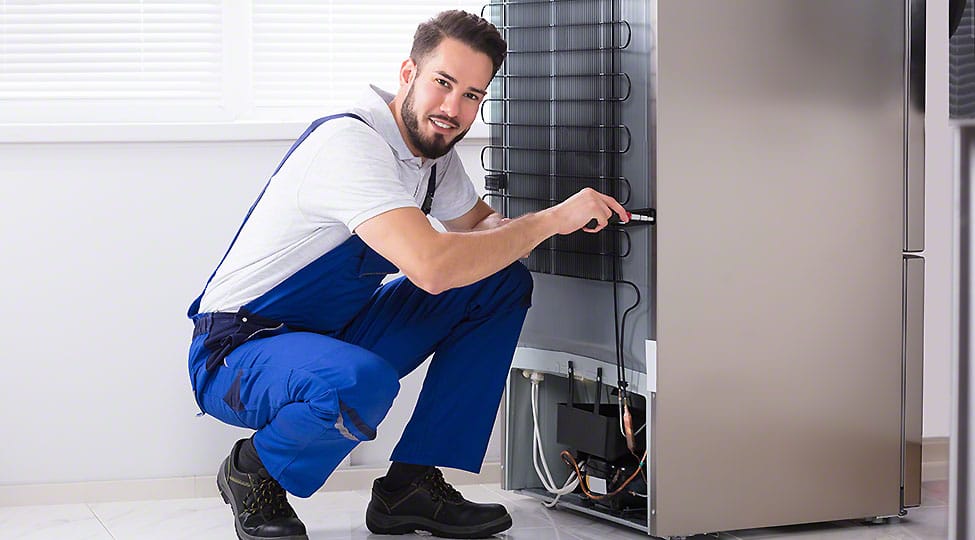
Common issues encountered in refrigerators

Commercial refrigeration equipment serves as the backbone of countless businesses, from restaurants and grocery stores to hospitals and research facilities. When these critical systems malfunction, the consequences can extend far beyond simple inconvenience, potentially leading to thousands of dollars in spoiled inventory, health code violations, and lost revenue. Understanding the most common problems that plague commercial cooling units helps business owners recognize warning signs early and seek professional commercial appliances repair services before minor issues escalate into costly emergencies.
The complexity of modern refrigeration systems means that even seemingly small problems can indicate underlying issues requiring immediate attention from qualified technicians who understand the intricacies of commercial-grade equipment and can diagnose problems accurately.
Temperature Fluctuations and Inconsistent Cooling
One of the most frequently reported problems in commercial refrigerators involves inconsistent temperature maintenance that puts stored products at risk. When a unit struggles to maintain the proper temperature range, food safety becomes compromised, and business owners may not notice the problem until inventory has already been affected. These fluctuations can stem from various sources, including faulty thermostats that provide inaccurate readings to the control system, malfunctioning temperature sensors that fail to communicate properly with the compressor, or problems with the defrost cycle that allow ice buildup to interfere with airflow. In many cases, temperature inconsistencies result from overloading the unit beyond its designed capacity or blocking air vents with improperly arranged products. Regular temperature monitoring using independent thermometers helps catch these issues before they compromise your entire inventory.
Compressor Problems and System Failures
The compressor functions as the heart of any refrigeration system, and when it begins to fail, the entire unit’s performance suffers dramatically. A struggling compressor often announces its distress through unusual noises, including loud clicking, grinding, or humming sounds that indicate internal mechanical problems. These vital components can fail due to electrical issues, refrigerant problems, or simply wear and tear from continuous operation over many years. When compressors run constantly without cycling off, they consume excessive energy while failing to cool effectively, leading to skyrocketing utility bills and inadequate temperature control. Conversely, short cycling where the compressor turns on and off rapidly can indicate refrigerant leaks, thermostat problems, or issues with the electrical system. Professional diagnosis becomes essential because compressor replacement represents a significant investment, and misdiagnosis could lead to unnecessary expenses.
Refrigerant Leaks and Low Charge Levels
Refrigerant serves as the lifeblood of commercial cooling systems, and even small leaks can dramatically impact performance while creating environmental concerns. When refrigerant levels drop below optimal ranges, the system struggles to remove heat effectively, causing temperature problems throughout the unit. Signs of refrigerant issues include frost buildup on evaporator coils, longer cooling cycles, and unusually warm cabinet temperatures despite the compressor running continuously. Modern refrigerants require careful handling due to environmental regulations, making professional service essential for proper diagnosis and repair. The age of your equipment determines which refrigerant type it uses, and older units using phased-out refrigerants may face increasingly expensive repairs as these substances become harder to source. Addressing refrigerant leaks promptly prevents compressor damage and maintains energy efficiency while ensuring compliance with environmental standards.
Door Seal Deterioration and Gasket Failures
The humble door gasket plays a crucial role in maintaining proper temperatures and energy efficiency, yet these components often receive insufficient attention until problems become obvious. Worn or damaged door seals allow warm air infiltration that forces the refrigeration system to work harder, increasing energy consumption while struggling to maintain appropriate temperatures. Over time, gaskets become brittle, cracked, or torn from repeated opening and closing, exposure to cleaning chemicals, or simple aging of the rubber material. Testing gasket integrity involves the simple dollar bill test where you close a bill in the door and attempt to pull it out; excessive resistance indicates a good seal while easy removal suggests gasket replacement is needed. Walk-in coolers and freezers present additional challenges because their larger doors and frames require perfectly aligned gaskets to prevent significant air leakage that can lead to ice buildup and decreased efficiency.
Evaporator Coil Icing and Airflow Restrictions
Ice accumulation on evaporator coils represents a common yet serious problem that restricts airflow and reduces cooling capacity significantly. When evaporator coils become encased in ice, they cannot effectively absorb heat from the cabinet interior, causing temperatures to rise despite the system running continuously. This icing typically results from defrost system failures, including malfunctioning defrost timers, broken defrost heaters, or faulty defrost thermostats that prevent proper cycling. Excessive ice buildup can also indicate problems with the defrost drain becoming clogged, allowing water to refreeze rather than draining away properly. In freezer applications, understanding the difference between normal frost accumulation and problematic ice buildup becomes essential. Professional commercial freezer repairs Fairfax Station address not just the immediate ice problem but also identify and correct the underlying defrost system issues preventing proper operation. Attempting to manually remove ice without addressing the root cause provides only temporary relief before the problem returns.
Condenser Coil Contamination and Maintenance Issues
Condenser coils located on the exterior of the refrigeration system release heat absorbed from the cabinet interior, but their exposure makes them vulnerable to contamination that impedes performance. Dust, grease, lint, and other airborne particles accumulate on condenser coils over time, creating an insulating layer that prevents efficient heat dissipation. When condensers cannot release heat properly, the entire system works harder, runs longer, and consumes more energy while providing less effective cooling.
Kitchens present particularly challenging environments where grease buildup from cooking operations coats condenser fins and significantly reduces heat transfer efficiency. Regular cleaning schedules become essential, with frequency depending on environmental conditions, but many businesses neglect this maintenance until performance problems emerge. Professional cleaning involves more than simple vacuuming, often requiring specialized coil cleaning solutions and techniques that remove stubborn buildup without damaging delicate fins.
Fan Motor Failures and Air Circulation Problems
Multiple fans work within commercial refrigeration systems to circulate air and maintain proper temperatures throughout the cabinet. Evaporator fans move cold air across stored products while condenser fans pull air across the condenser coils to release heat to the environment. When these motors fail or operate inefficiently, temperature uniformity suffers and hot spots develop within the unit. Bearing wear represents a common cause of fan motor problems, often announced by squealing or grinding noises before complete failure occurs.
Electrical issues including capacitor failures or wiring problems can prevent fans from starting or cause them to run at incorrect speeds. In reach-in coolers, failed evaporator fans quickly lead to temperature stratification where upper shelves remain too warm while lower areas stay adequately cold. The relatively inexpensive nature of fan motor replacement makes addressing these problems promptly a wise investment compared to the alternative of compromised inventory.
Concludion
Maintaining detailed service records helps track recurring problems, plan for eventual equipment replacement, and demonstrate due diligence if food safety issues arise. While some basic maintenance tasks like cleaning condenser coils and checking door seals can be performed in-house, complex diagnostics and repairs require professional commercial refrigerators repairs Arlington from technicians with proper training, tools, and refrigerant handling certification. Investing in preventive care costs significantly less than emergency repairs and lost inventory, making professional maintenance relationships valuable assets for any business depending on commercial refrigeration equipment.